Service area · La Grange
Wolf repair in La Grange, where the house is part of the diagnosis
A Wolf range in a La Grange kitchen often sits on gas pipe, wiring and ductwork that were planned for a far smaller stove. When something goes wrong, the first question is not which part failed but whether the appliance failed at all. This page walks through the faults that older installations disguise as breakdowns, and what to do when you smell gas.
The kinds of La Grange homes we walk into
Every house type here brings its own set of habits to a service call. Here is how each type tends to shape the work.
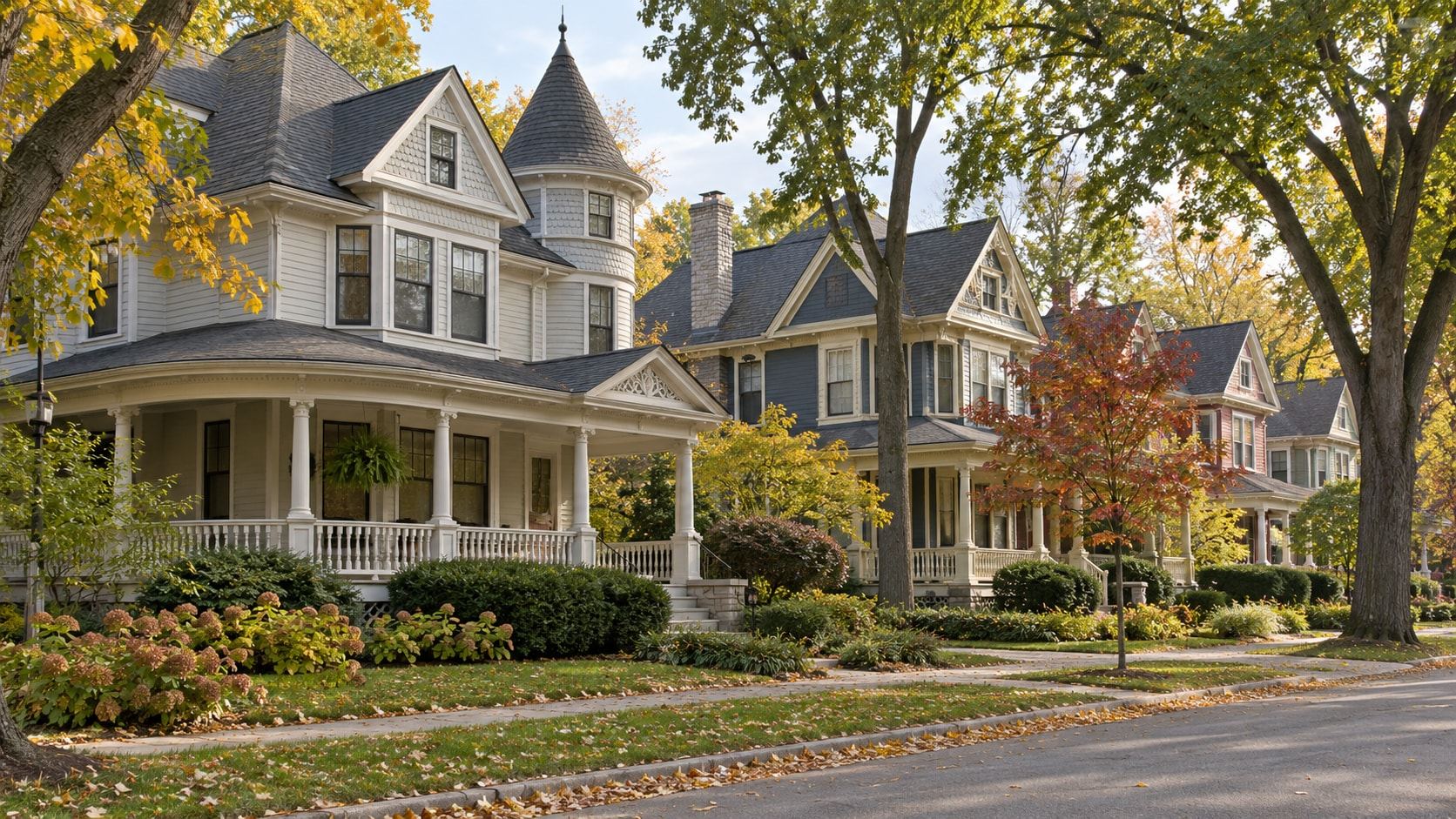
- Historic homes near the town centerHistoric houses where the kitchen has usually been rebuilt at least once. The Wolf equipment is new; the gas run, circuits and the path a duct can take through old framing often are not.
- BungalowsCompact kitchens where a single professional range or rangetop is the centerpiece, sometimes with a hood fitted into tight soffit space. Short on room behind and above the appliance.
- Newer homesBuilt around the equipment from the start, so supply lines and ducting tend to match the spec sheet. Faults here point at the appliance itself more often.
- Cook CountyLa Grange is a Cook County village, like its neighbor Western Springs. Our base is in Hinsdale, and La Grange is part of the same regular zone with the same terms.
Short answer
Who does Wolf range repair in La Grange, IL?
We do. La Grange is inside our regular service zone, and we work only on Wolf cooking equipment: rangetops and ranges, cooktops, wall ovens, steam ovens, microwaves, hoods, coffee machines and the grill outside. The house-call fee is $89, folded into the price of the repair, and the actual cost is given after the technician has looked at the appliance.
Appliance fault or installation? What the signs usually mean
Each of these shows up as a complaint about the range or hood. In older La Grange houses, the cause sits outside the appliance surprisingly often.
-
Flames look healthy on one burner but shrink or lift when every burner and the oven run together
Usually traced to: Usually the house, not the range: a supply line or regulator sized for an older stove that cannot keep up with full demand. A single clogged burner behaves differently, staying weak even when it runs alone.
-
Igniters keep clicking after the burner has lit
Usually traced to: Often moisture or a boil-over at the igniter, or a worn burner switch inside the range. In older homes, an outlet with reversed polarity or no ground can produce the same endless clicking.
-
The breaker trips while a dual-fuel oven preheats, or an induction zone cuts out under load
Usually traced to: Either a failing heating element or power component, or a kitchen circuit shared with other loads in wiring that predates the remodel. The pattern of when it trips tells the two apart.
-
The hood roars on high, yet smoke still drifts past it
Usually traced to: A long, bent or undersized duct, or a damper that sticks shut, is common where ducting had to snake around old joists. A grease-heavy blower wheel is the appliance-side cause to rule out.
-
Tall, yellow, soft flames that leave soot on pans
Usually traced to: Misaligned caps or blocked ports on the appliance side; on the installation side, orifices that do not match the gas type the range is connected to. Treat it as a service call, not as something to tune yourself.
-
The range rocks slightly, pans drift, the oven door does not seal evenly
Usually traced to: A floor that has settled over the decades, legs never leveled after the install, or an anti-tip bracket that was skipped. Simple to correct, and it changes how the door gasket wears.
Assumptions about older kitchens that cost people a repair
- Often saidA house that cooked fine for decades will take any Wolf range as it is.
- In practiceA professional range asks more of the house than the stove it replaced: more gas volume, often a dedicated circuit for dual-fuel or induction models, and a hood with a duct sized to match. Wolf's installation documents spell this out, and older kitchens do not always meet them.
- Often saidIf the burner lights, the gas supply must be fine.
- In practiceA burner can light and hold a flame on a starved line. The shortage only shows when several burners and the oven ask for gas at once, which is exactly when you are cooking a big meal.
- Often saidA louder hood is a stronger hood.
- In practiceExtra noise frequently means the fan is pushing against a restriction. A quieter hood on a straight, correctly sized duct can clear more smoke than a loud one fighting three elbows.
- Often saidA gas smell near the range is normal in an old house.
- In practiceAge is never a reason for gas odor. A faint whiff for a moment as a burner catches can come from slow ignition, but any smell that lingers or appears with the burners off needs the safety steps below.
Short answer
Why does my gas range smell like gas when I light it?
A brief whiff that vanishes the instant the flame catches usually means ignition is slow, so a little gas escapes before it burns; dirty igniters, wet electrodes or blocked burner ports are the common causes. If the smell stays after the burner is lit, grows stronger, or is there with every knob off, treat it as a leak and leave the house before you call.
Do not touch light switches, the range, its knobs or any other appliance, and do not try to find the source. Get everyone out of the house, then call 911 or the gas company from the yard. Once they have made the house safe, call us and we will diagnose the appliance.
Booking a visit from La Grange
Phone lines are answered 24/7, and technicians visit seven days a week, 8:00 AM until 6:00 PM. You can call us or book a visit online. A short description of what the appliance does, and when, saves time: whether the problem appears only with every burner on, only during preheat or only with the hood on high is exactly the clue that separates an appliance fault from a house problem.
If you can, have the model and serial number ready. On most Wolf ranges and ovens the rating tag is visible with the door or a lower panel open; a phone photo of it is just as good. Mention any recent work in the kitchen too, such as a new countertop, floor or hood, because changes around the appliance are a frequent starting point for new symptoms.
The technician diagnoses the appliance first and tells you what failed and what the repair involves before any work begins. A house call costs $89, which is taken off the repair bill; the exact cost is known only after that inspection. If the cause turns out to be the gas line, the circuit or the duct rather than the Wolf unit, we explain what we found so the right trade can take it from there, instead of replacing a part that would not fix anything.
For burner, igniter, oven and control problems, see Wolf range repair. Smoke, noise and airflow complaints are covered under hood and ventilation repair. If an appliance has stopped working before guests arrive, the urgent repair page covers what to do when it cannot wait, and the full list of towns we cover is on the service area page. Phone and booking details are also on contact.
Short answer
Is there appliance repair in La Grange that understands historic homes?
Yes. Our technicians check the conditions around a Wolf appliance, such as how the gas supply holds up under full load, how the kitchen circuit behaves during preheat and how freely the hood duct breathes, before they condemn a part. In a house with an older layout, that check is what keeps you from paying for a component that was never the problem.
What La Grange homeowners ask us
Do you come to La Grange on weekends?
Technicians are out seven days a week, 8:00 AM until 6:00 PM, and someone answers our line 24/7. Call or book online and we will offer the nearest open time.
My bungalow kitchen has just one Wolf range. Is that worth a service call?
Yes. A single range gets the same diagnosis as a full Wolf kitchen. The $89 visit is set against the repair price, and you receive the real figure after inspection, before any work starts.
Can you tell whether the problem is my old gas line or the range?
That is usually the first thing we sort out. Symptoms that appear only when several burners run together point toward supply; a burner that misbehaves on its own points toward the appliance. If the house side is the cause, we tell you plainly rather than replacing parts on the range.
Will you fix the gas piping or wiring in my house?
We repair Wolf appliances. Work on house gas piping, new electrical circuits or rerouted ductwork belongs with a plumber, electrician or ventilation contractor. We describe what we found so they know where to start.
My hood is new but the kitchen still fills with smoke. Is the hood defective?
Not necessarily. In older La Grange houses the duct path is a common culprit: long runs, several bends, an undersized pipe or a damper that barely opens. We check the blower and controls, then tell you whether the hood or the duct is holding it back.
The burners keep clicking even after they light. Is that dangerous?
It is not a gas leak in itself, but it should be looked at. Common causes are moisture or food residue around an igniter, a worn burner switch, or an outlet with incorrect polarity or no ground. If the clicking comes with a gas smell, follow the safety steps on this page first.
Do you repair Wolf appliances other than ranges in La Grange?
Yes: wall ovens, convection steam ovens, gas and induction cooktops, rangetops, microwaves including drawer models, hoods and downdraft units, outdoor grills and built-in coffee systems. We do not take on refrigeration or dishwashers, which are not Wolf products.